Choosing Seats When Flying with an Infant on Your Lap
Practical guidance for choosing seats when flying with an infant on your lap, including bulkhead, bassinet, and aisle considerations.
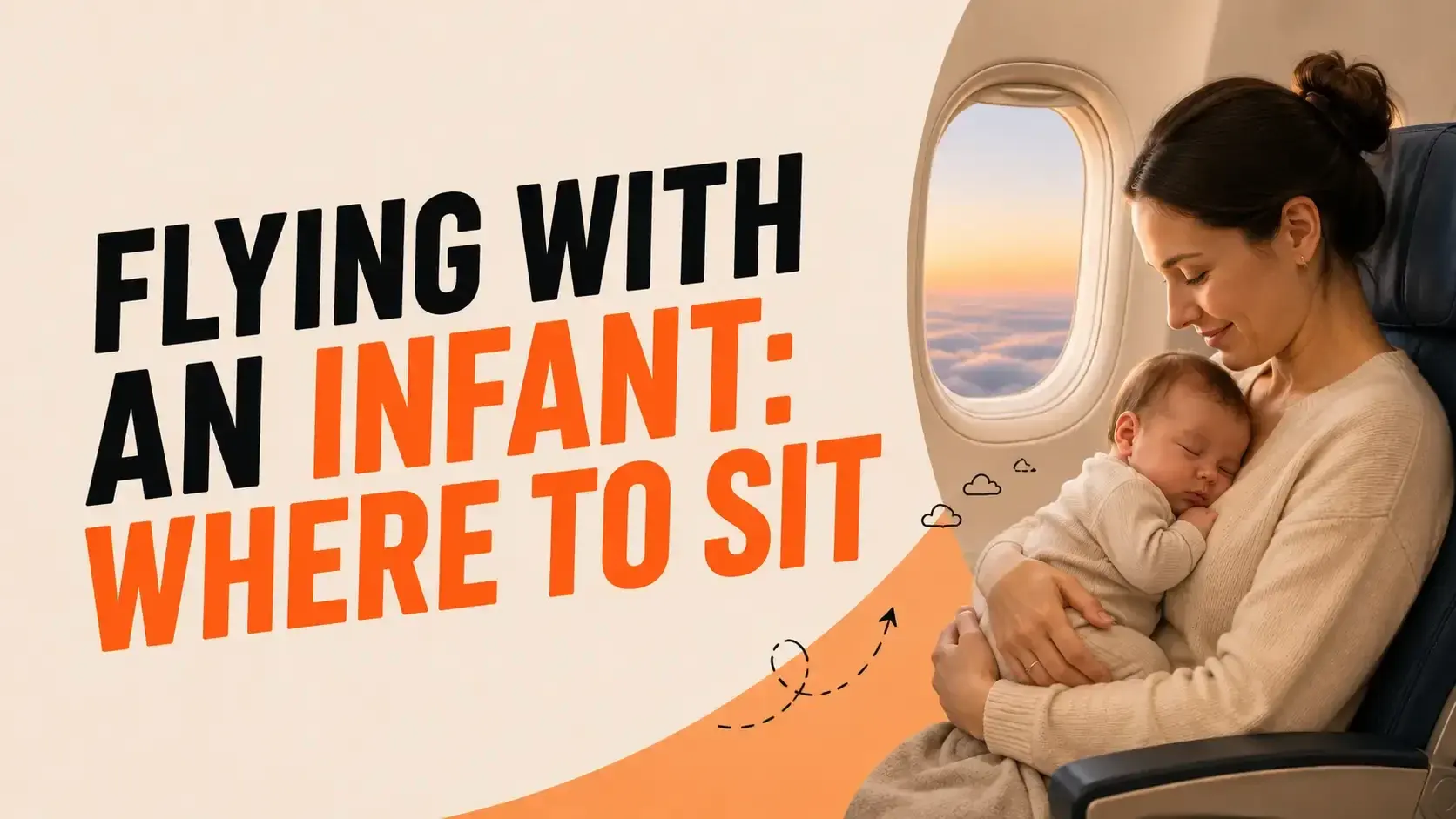

How to Choose the Best Seat When Flying with an Infant on Your Lap
Flying with a baby on your lap already comes with enough to plan. The seat you end up in can make the difference between a manageable flight and a long, uncomfortable one. Airline seat maps rarely explain which rows work well for lap infants, whether a bassinet is even available, or if the seat you picked will leave you without storage for a diaper bag.
Before you select a seat, it helps to think through a few questions. Is a bulkhead row worth the extra space if it means fixed armrests and no under-seat storage? Should you sit near the aisle for easy movement, or by the window to keep your baby contained? Will your aircraft even have a bassinet option on this route?
In this guide, we will walk through the process of choosing seats when flying with an infant on your lap, so you can make a more informed choice before you pay for or confirm your seat.
TL;DR
- Bulkhead and bassinet rows offer more space but come with trade-offs like fixed armrests and limited storage.
- Aisle seats make it easier to stand, pace, or step out, while window seats can help keep a baby settled.
- Exit rows are usually off limits for lap infants, so rule these out early.
- Seats near galleys and lavatories bring more noise and foot traffic, which can disturb a sleeping baby.
- Aircraft swaps can change or remove bassinet availability, so it is worth rechecking closer to departure.
Choosing Seats When Flying with an Infant on Your Lap: Key Rules to Know
Airlines apply specific rules to lap infants that immediately narrow down where you can sit. This matters because a seat that looks ideal on the map may not actually be available to you. Choosing seats when flying with an infant on your lap starts with understanding these rules, since it saves time and prevents a last-minute seat change at the gate.
Most airlines restrict lap infants from exit rows and sometimes from certain bulkhead rows without a bassinet. This is a safety requirement, not a preference, so it applies regardless of how empty the row looks.
Common restrictions to expect:
| Rule | Why It Applies | What It Means for You |
|---|---|---|
| No exit row seating | Safety regulations require exit rows to be clear for evacuation | Rule these rows out when browsing the seat map |
| Bulkhead limits | Some bulkhead rows are reserved for bassinets or have restricted infant seating | Confirm before assuming you can sit there |
| One infant per adult | Airlines typically allow only one lap infant per adult passenger | Plan seating around this if traveling with multiple children |
This is one area where family airline seating differs from general seat selection. The starting point is not comfort; it is eligibility.
Bulkhead and Bassinet Rows: What to Know
Bulkhead rows are often the first seats parents consider, mainly because they may include a bassinet option. But bassinet availability depends on the aircraft, the airline, and sometimes the specific flight, so it is not guaranteed just because you are seated at the bulkhead.
Bassinets typically attach to the bulkhead wall and have weight and size limits for the baby. If your infant exceeds these limits, the bassinet may not be usable even if the row has one installed.
Bulkhead and bassinet tradeoffs:
| Feature | Advantage | Limitation |
|---|---|---|
| Bassinet availability | A place for baby to rest hands-free | Limited by weight and size, and not on every aircraft |
| Extra legroom | More space to manage a baby and supplies | Fixed armrests can make holding baby less flexible |
| No seat reclining ahead | Nothing blocking your view or space | No under-seat storage during takeoff and landing |
If a bassinet matters to your trip, it is worth checking whether the aircraft supports one before selecting the seat, since not all bulkhead rows include this feature.
Aisle vs Window: Choosing Based on Infant Needs
The aisle versus window decision looks different when you are holding a baby instead of traveling solo. Your priority shifts from personal space to practical movement and containment, which changes which side makes more sense.
An aisle seat gives you room to stand, sway, or step into the aisle without disturbing anyone next to you. This can be useful during fussy stretches or when you need to walk a baby to sleep.
A window seat can help keep your baby more contained and shielded from cabin activity, which some infants find calming during a flight.
Aisle Seat: Best for Movement and Access
An aisle seat matters most when you expect to be up often, whether that is walking a fussy baby or making quick trips to the lavatory. This is usually the more practical choice for parents traveling alone with an infant.
- Easier to stand, pace, or exit quickly
- Convenient for diaper changes or reaching the lavatory
- More exposure to cart traffic and passing passengers
Window Seat: Best for Containment and Calm
A window seat matters most when your priority is limiting distractions and keeping your baby settled in one spot. This can work well if you have a second adult who can move freely from the aisle side.
- Fewer interruptions from aisle traffic
- A visual boundary that can help settle some babies
- Harder to exit without disturbing your row
There is no universal right answer here. Seat selection with children often comes down to your baby's temperament and how often you expect to need to move during the flight.
Seats to Avoid When Traveling with a Lap Infant
Some seats create avoidable friction when you are flying with an infant. These are not always obvious from a seat map, so it helps to know what to watch for before you choose.
Seats and rows to be cautious about:
- Exit rows. Not permitted for lap infants due to safety requirements.
- Seats near the galley. Frequent noise and light from crew activity can disturb sleep.
- Seats near the lavatory. Regular foot traffic and door noise increase disruption.
- Rows with restricted recline. Less flexibility to adjust your position while holding a baby.
- Seats with narrow armrests. Can make it harder to hold and shift your baby comfortably.
Avoiding these does not guarantee a smooth flight, but it removes some of the more common sources of disruption.
Accessible and Comfort-Focused Seating Considerations
Accessible airline seating is not only about mobility needs. For parents traveling with infants, accessibility also includes proximity to facilities and enough room to manage a baby without straining.
Factors worth checking:
- Distance to the lavatory: Close enough for quick diaper changes, but not so close that noise becomes constant.
- Seat width: Wider seats give more room to hold and adjust your baby during the flight.
- Ease of movement: Aisle access matters more here than it typically would for a solo traveler.
- Assistance needs: If you require boarding or seating assistance, confirm this with the airline in advance, since it can affect which seats are offered.
These considerations often overlap with general family airline seating advice, but they deserve separate attention when an infant is involved, since comfort needs differ from those of older children.
What Happens After an Aircraft Swap
An aircraft swap can quietly undo a seat choice you carefully made. If the airline changes the aircraft operating your flight, the cabin layout, bassinet availability, and even your assigned seat number can change.
This matters more for lap infant travel than for most other bookings, since bassinet rows and bulkhead configurations vary significantly between aircraft types.
What to check after a swap:
- Whether your original seat number still exists on the new aircraft
- Whether the new aircraft includes a bassinet option
- Whether your seat has moved further from or closer to the lavatory
- Whether the bulkhead configuration has changed
Rechecking the seat map after a swap, and again closer to departure, helps you catch these changes before you are already at the gate.
Choosing Seats with SeatInfo
Comparing seat options for a lap infant across bulkhead rows, bassinet availability, and cabin configurations can take time, especially when airline seat maps do not explain these details clearly. Similar-looking rows can have very different features once you factor in bassinet eligibility or aircraft swaps.
SeatInfo can help you review seat maps and compare available seat information for your specific flight, so you are not relying on guesswork alone. Coverage depends on the airline, route, and available data, so it is worth checking what information is available for your flight before you decide.
Relevant SeatInfo tools:
- Seat maps. Review cabin layouts and identify bulkhead or bassinet rows.
- Seat comparison. Compare seats or rows that look similar but differ in practice.
- Aircraft swap alerts. Track configuration changes where available, so you can recheck your seat if needed.
These tools are meant to support your decision, not make it for you. Seat availability may change before departure, and the scheduled aircraft may differ from the one that actually operates the flight.
Conclusion
Choosing seats when flying with an infant on your lap comes down to a few consistent factors: bassinet and bulkhead availability, aisle versus window preference, distance from noisy areas, and the possibility of an aircraft swap. None of these guarantee a perfect flight, but understanding them ahead of time gives you a clearer basis for your decision.
SeatInfo can make this comparison easier by helping you review seat maps, compare rows, and stay aware of configuration changes for your specific flight. Instead of piecing together information from multiple sources, you can look at the relevant details in one place before you pay for or confirm a seat.
Review the seat map for your flight before you select a seat, so you can weigh these tradeoffs with the specific aircraft and cabin in mind.
Frequently asked questions
Topics
Keep reading
All blogs





See the cabin before you book it
Every blog here starts from a real seat map. Browse the catalog to scale, or run your own flight through the live tool.

Better seats, inyour inbox
Seat tips and newly mapped aircraft, one email a week.
Unsubscribe anytime. We never share your email.